Bio
Brian Lord is a cognitive neuroscientist whose work spans neuromodulation, psychophysiology, multimodal signal processing, and brain–computer interfaces, with longstanding interests in phenomenology and consciousness. He designs human experiments, builds research systems, and develops methods for relating neural and physiological measurements to behavior and subjective experience. He is currently a postdoctoral researcher in the Bever Lab at the University of Arizona, where he leads an undergraduate group developing a BCI pipeline that integrates EEG and eye tracking.
Brian earned his Ph.D. in Cognition and Neural Systems at Arizona, investigating transcranial focused ultrasound and meditation. His graduate and subsequent postdoctoral work in the SEMA Lab involved experimental design, neuroimaging, synchronized EEG and stimulation systems, and direct work with research participants. He co-designed a longitudinal meditation-training study and co-designed and co-led two retreat studies, extending this research beyond conventional laboratory settings.
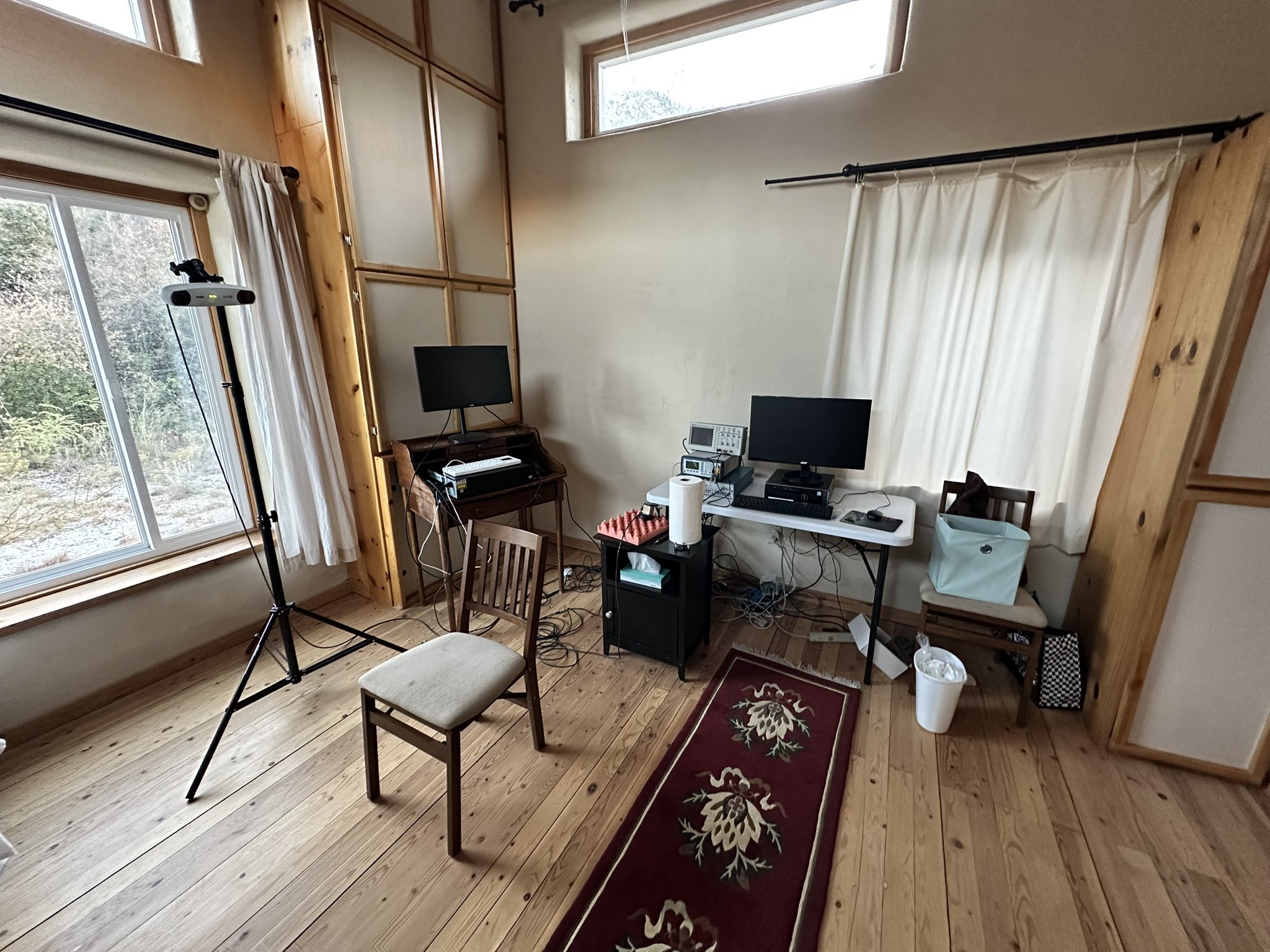
His work outside the university includes photobiomodulation research, real-time EEG systems, and a Mind Gym neurofeedback experience. In 2025, he worked as a scientist at a private research organization, where he designed and helped establish a psychophysiology laboratory for consciousness research and collected preliminary data. Across these settings, his responsibilities have included building instrumentation, running studies, analyzing data, writing manuscripts, and mentoring researchers.
Before Arizona, Brian studied biopsychology at Oglethorpe University and earned a master’s in humanistic psychology at the University of West Georgia. While working in Special Collections there, he edited and published Ingo Swann’s Psychic Literacy. His interests also extend to meditation practice, electronic music, and generative art. He is a certified meditation teacher and lives in Tucson with his wife, Erica.